
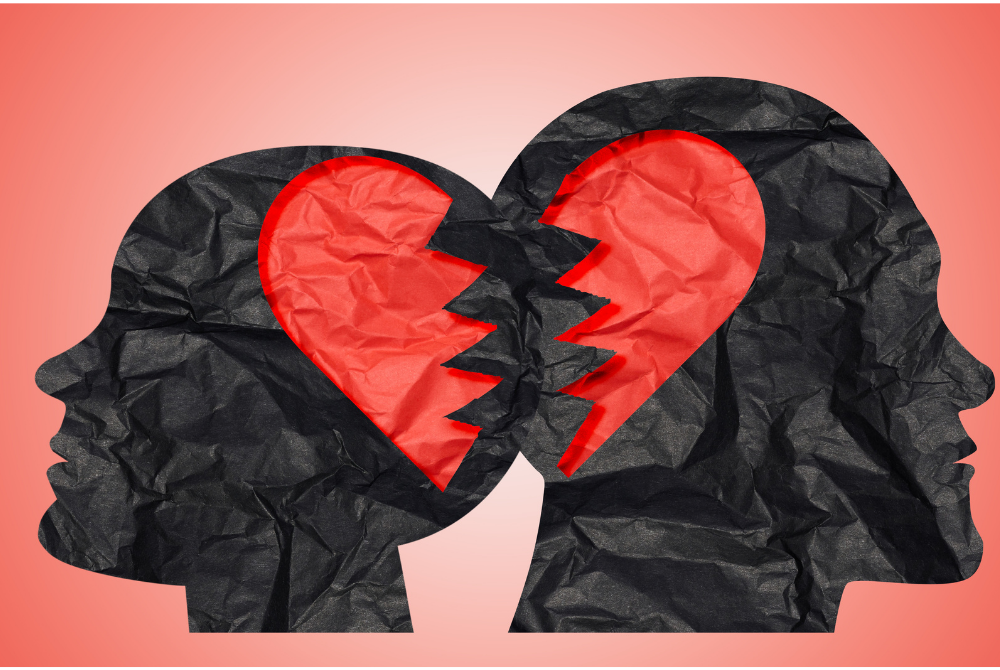
When you feel hurt, dismissed, or betrayed, it becomes surprisingly difficult to act like the person you believe yourself to be.
Even people with strong self-awareness notice moments of incongruency — those times when your reactions don’t match your values, intentions, or self-image. This emotional mismatch is deeply human. It doesn’t mean you’re failing; it means your nervous system is overwhelmed and protecting you the only way it knows how.
In simple terms: incongruency happens when stress pulls you away from your values and into survival mode. The more you understand this, the easier it becomes to stay grounded in who you want to be — even during painful moments.
Let’s explore why incongruency occurs, how to stay aligned with your values, and how tools like Photo Insights™ Photo Therapy Cards can support emotional clarity when it feels hardest to find.
Why do I react differently than I expect when I feel hurt or betrayed?
Feeling hurt activates the nervous system, not the rational mind. When emotional injury happens, your body prioritizes protection over congruency. That’s where incongruency begins.
You may notice yourself:
- shutting down when you expected to speak up
- becoming angry when you usually stay calm
- withdrawing despite valuing connection
- saying things you don’t believe
- avoiding conversations that normally feel safe
These patterns are linked to the brain’s threat response system (Porges, 2011; Siegel, 2012). When the body senses danger — even emotional danger — it reacts automatically.
This leads to incongruency because:
- You’re reacting from fear, not values.
- Old wounds or past patterns get activated.
- Your emotional capacity narrows under stress.
- You lose access to the reflective part of the brain that supports empathy and clarity.
Understanding this helps you move from self-criticism to compassion. You’re not “being dramatic” or “overreacting” — you’re experiencing the natural response of a nervous system trying to protect you.
Tools like the Photo Insights™ Photo Therapy Cards help you slow that reaction down, reconnecting you with your values before responding.
How can I stay aligned with my values during conflict or betrayal?
Staying aligned with your values during emotional distress is possible — but it requires awareness, slowing down, and intention. Incongruency decreases when you create space between what you feel and how you respond.
Here’s how to begin:
1. Pause before reacting.
A pause interrupts survival mode. It allows your values to re-enter the room. Even one breath can reduce incongruency.
2. Name the value you want to stand in.
Ask yourself:
- What value do I want to honor right now?
- Kindness? Clarity? Integrity? Self-respect?
Naming it reduces incongruency by giving your nervous system a direction.
3. Speak from the value, not the wound.
You might say:
- “I’m hurt, and I want to talk about this with respect.”
- “I need honesty here because trust matters to me.”
Your values become the anchor in the storm.
4. Use reflective tools to access clarity.
The Photo Insights™ Photo Therapy Cards support clarity through guided reflection rather than immediate answers.
Engaging with an image invites a pause — creating space to notice what emotions, memories, or values are being activated beneath the surface.
The image serves as a mirror, not to define your experience, but to help you gently access what may not yet be fully conscious.
This reflective process reduces reactivity, supports emotional congruency, and allows you to respond from intention rather than impulse.
5. Give yourself permission to take space.
You don’t owe anyone instant emotional processing. Space reduces reactivity — and therefore, incongruency.
Staying aligned with your values doesn’t mean avoiding pain. It means not abandoning yourself in the process.
Why do kind or calm people sometimes respond with anger when they’re hurt?
This is one of the most common forms of incongruency. People who value softness, stability, and kindness may still react with anger when they’re hurt. Here’s why:
1. Anger is a secondary emotion.
Often, beneath anger lies hurt, fear, or disappointment. When those deeper emotions feel unsafe to express, anger takes over.
2. Anger feels protective.
It creates distance when vulnerability feels risky.
3. Childhood conditioning plays a role.
If expressing sadness or fear wasn’t safe growing up, the body learns to use anger instead.
4. Betrayal activates threat responses.
Even gentle people become reactive when trust is ruptured. It’s not a character flaw — it’s physiology.
This temporary incongruency doesn’t mean you’re not a kind person. It simply means your nervous system reached for the tool it believed would protect you the fastest.
Using something like a Photo Insights™ card as a grounding cue can help you access the layer beneath the anger — the part that reveals what value was violated.
How do I manage the incongruency between who I want to be and how I react under stress?
Managing incongruency requires two things: compassion and practice. You’re learning to regulate your inner world so your outer behavior reflects your values.
1. Understand your triggers.
Incongruency often shows up where old wounds intersect with present stress. The more awareness you have, the less power those triggers hold.
2. Clarify your core values.
Write down the values you want to embody in relationships — honesty, gentleness, accountability, calm communication.
When betrayal or conflict happens, revisit these values before responding.
3. Repair quickly and gently.
You don’t need to be perfect. When incongruency happens, repair restores alignment:
- “I reacted from hurt. Here’s what I actually meant.”
- “I want to respond differently. Can we reset?”
This is emotional congruency in action.
4. Use imagery to reconnect with your best self.
Pulling a card from the Photo Insights™ deck can help you see your reaction from a distance.
Many people find that the imagery helps them shift from reactivity to reflection — reducing incongruency and returning them to their values.
5. Treat yourself the way you would treat a friend.
You can’t eliminate incongruency, but you can respond to it with humanity, softness, and curiosity.
When you meet your reactions with understanding instead of shame, you create the emotional conditions where genuine transformation is possible.
Frequently Asked Questions
Is incongruency a sign of emotional immaturity?
No. Incongruency is a normal response to stress or emotional injury. It simply points to places where your nervous system needs support.
How do I reduce reactive behavior in relationships?
Slow down, identify your value, and regulate before responding. Photo Therapy Cards can help you clarify emotions and decrease incongruency in the moment.
Why does betrayal intensify incongruency?
Betrayal destabilizes trust, activating threat responses that override values. This type of incongruency is a protective reflex, not a moral failure.
Can incongruency be repaired?
Absolutely. Honest reflection, grounded conversation, and value-based communication help bring you back to alignment.
Staying true to your values doesn’t mean never reacting — it means finding your way back to yourself
You are human. You will have moments of incongruency, especially when you’re hurt.
What matters is how gently you return to your values, your truth, and your emotional integrity.
At Photo Insights™, we believe emotional congruency grows through reflection, self-awareness, and compassionate exploration.
The Photo Therapy Cards were designed to help you reconnect with your inner landscape, understand your reactions, and honor your values even in the hardest moments.
👉 Explore the Photo Insights™ Photo Therapy Cards to navigate incongruency, strengthen emotional alignment, and stay grounded in who you truly are — even when you’re hurting.